


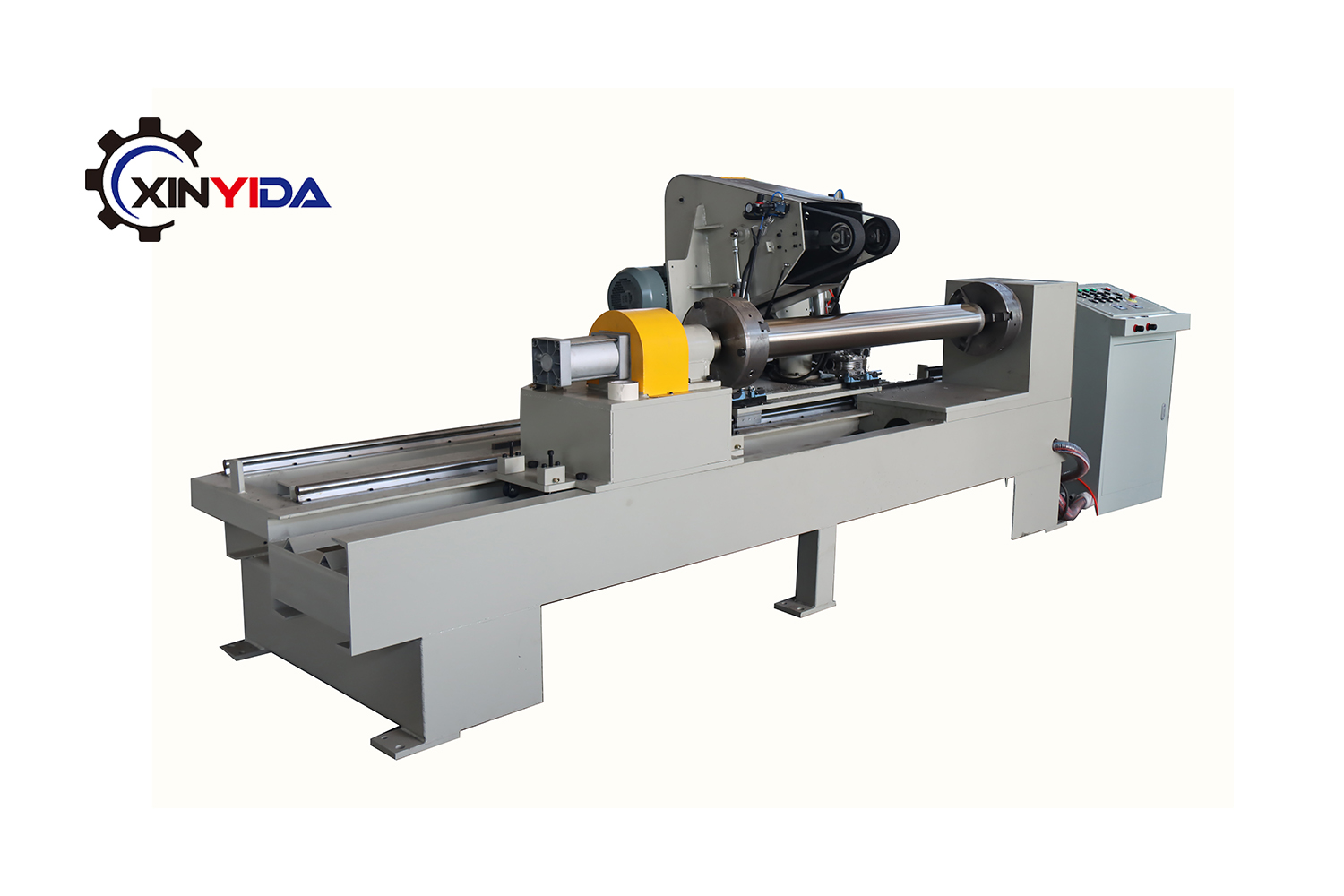
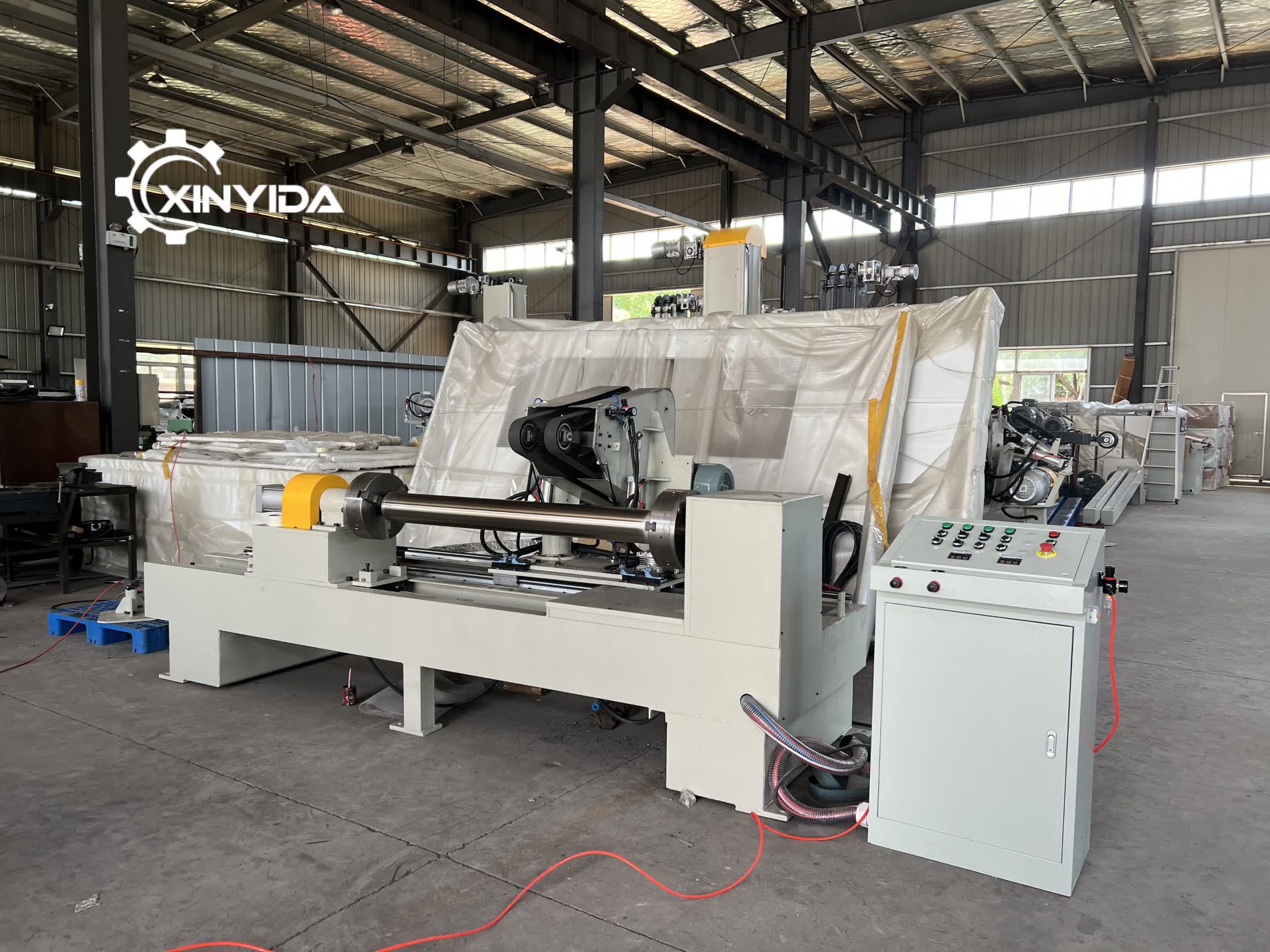
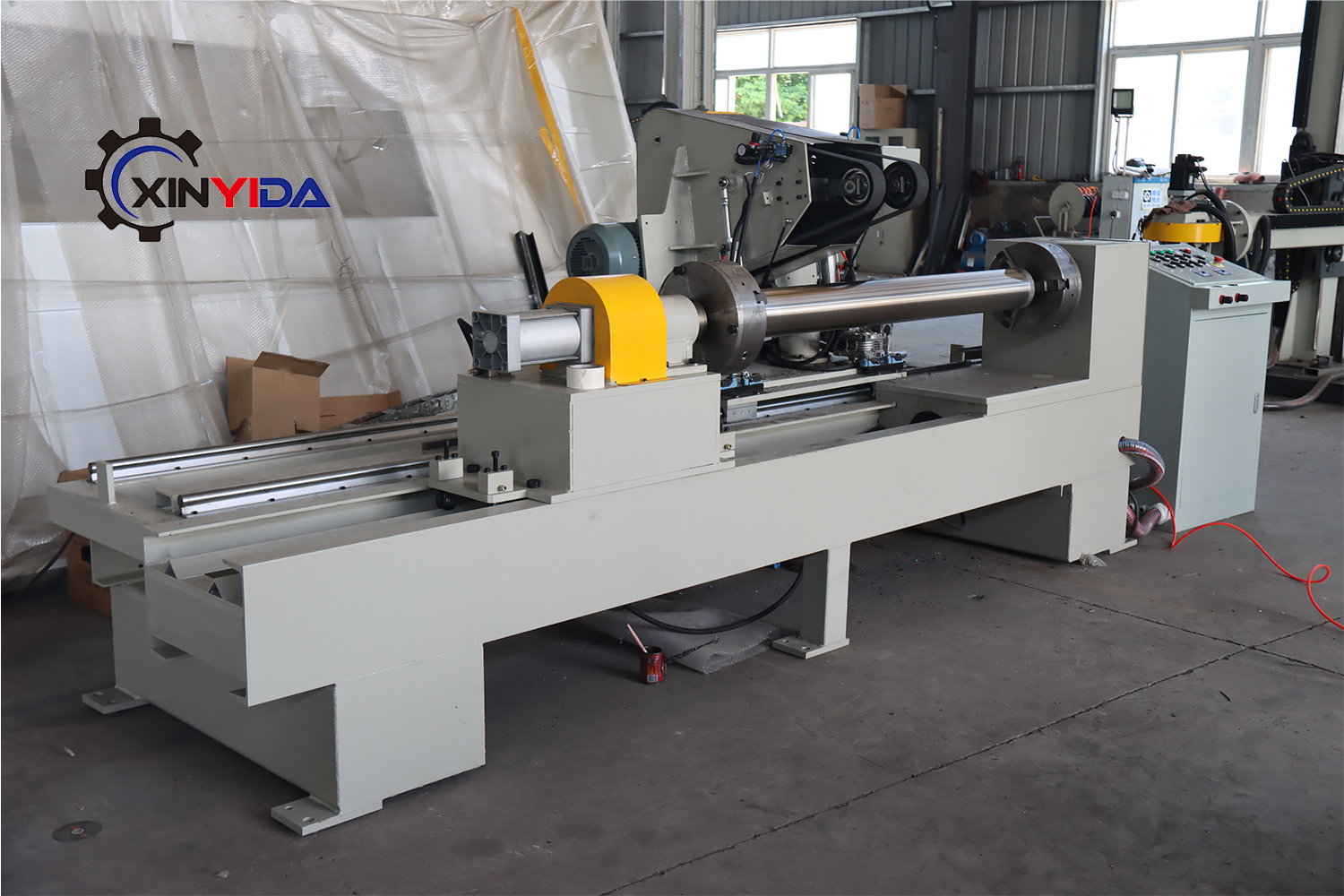
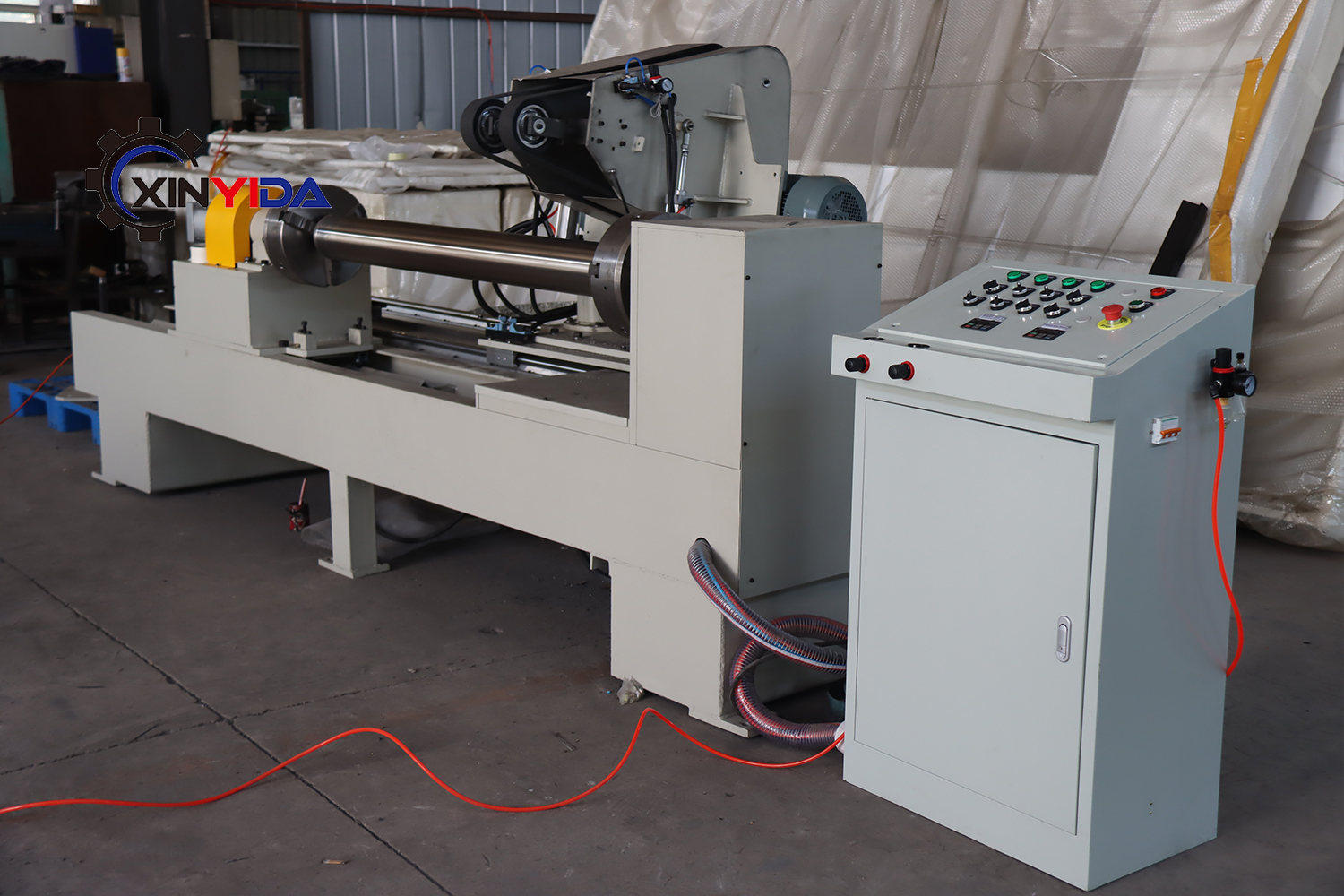
Главный двигатель преобразователя частоты шлифовальной головки 7,5 кВт, редуктор 4 кВт, опорная рама 3, максимальный ход шлифовальной головки 6000 мм, длина опоры 8 м, U-образный поворот, можно полировать в круглой трубе длиной 12 м, с патроном для круглой трубы для регулировки размера и фиксации, диаметр зажимного шлифовального круга 100×50 мм.
ЧАСТО ЗАДАВАЕМЫЕ ВОПРОСЫ:
В1: В чем разница между полировкой труб и полировкой трубных каналов?
А: Полировка труб
- Основное внимание: Функциональные характеристики
Трубопроводы в основном используются для транспортировки жидкостей или газов.
Трубы 👉 Чаще всего используются для труб большого диаметра (например, для транспортировки нефти, водоснабжения и водоотведения)
- Полировка обычно проводится для:
Удалите ржавчину, окалину и следы сварки.
Повышение коррозионной стойкости
Требования к поверхности:
Можно добиться зеркальной полировки, Ra≤0,4
- Типичные области применения:
Нефтегазопроводы
Водоснабжение и канализация
Химические и промышленные трубопроводы
Полировка труб
- Основное внимание: точность и внешний вид.
Трубы используются в механических, конструкционных или декоративных целях.
Размеры определяются наружным диаметром (OD) и толщиной стенки.
- Цель полировки:
Достигните гладкой или зеркальной поверхности.
Повышение точности размеров и качества поверхности.
Соответствует эстетическим или высокоточным требованиям.
- Требования к поверхности:
Гораздо выше труб
Часто требуется тонкая полировка или зеркальная поверхность (Ra ≤ 0,2 мкм, даже 0,1 мкм).
- Типичные области применения:
Декоративные трубки из нержавеющей стали
Автомобильные и аэрокосмические компоненты
Мебель, перила, медицинские или пищевые трубки
В2: Какую абразивную ленту следует использовать?
А: Это зависит от материала и желаемой степени полировки. Конечный эффект полировки определяется процессом полировки. Мы можем начать с абразивной ленты с зернистостью 80 для грубой полировки, затем перейти к более мелким абразивным лентам с зернистостью 120, 240, 400 и 600. Наконец, используя лепестковый и тканевый шлифовальный круги, мы можем добиться зеркальной поверхности с зернистостью 8000.
Вот краткое и практичное руководство 👇
Если вы начинаете с шероховатой поверхности
P60–P80 → Сильное удаление материала, следы сварки, окалина
- Общая шлифовка/удаление заусенцев
P120–P180 → Сглаживание царапин, подготовка к более тонкой финишной обработке
- Тонкая отделка
P240–P320 → Сатинированная/матовая отделка
P400–P600 → Очень тонкая отделка, предварительная полировка
- Предварительная полировка / почти зеркальное покрытие
P800–P1000 → Предварительная полировка перед шлифовкой
- Советы по материалам
Нержавеющая сталь: P120 → P240 → P400 (затем полировка при необходимости)
Углеродистая сталь: P80 → P120 → P240
Алюминий: P180 → P240 → P320 (избегать слишком крупной зернистости)