


Введение: Преодоление трудностей, связанных с использованием спутниковых помп. Полировка
В мире производство сосудов под давлениемТрадиционно полировка днищ (или емкостей) является одним из самых трудоемких и сложных этапов производства. В отличие от плоских поверхностей, сложная кривизна эллиптических, торосферических и полусферических днищ делает ручную шлифовку непостоянной и изнурительной задачей.
Производители часто сталкиваются с тремя основными проблемами: ростом затрат на рабочую силу, опасностью для здоровья, связанной с металлической пылью, и сложностью достижения единообразия. Шероховатость поверхности (R)а) по всей кривой. В соответствии с международными стандартами, такими как... ASME BPE и GMP Ужесточение требований, особенно в фармацевтической и пищевой промышленности, означает, что «достаточно хорошо» больше не является вариантом. Именно здесь и начинается самое интересное. автоматическая машина для полировки дверных полотен Это кардинально меняет ситуацию, превращая узкое место в конкурентное преимущество за счет обеспечения точности, безопасности и воспроизводимого качества.
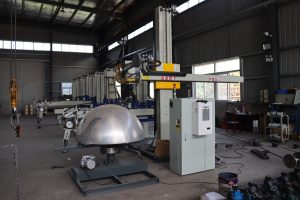
Технический обзор: Как работает автоматическая машина для полировки досок?
Автоматический полировальный станок с поворотной головкой — это специализированная система с ЧПУ или ПЛК, разработанная для точного следования геометрии металлической головки. В отличие от обычных шлифовальных станков, эти машины используют многоосевое перемещение, чтобы обеспечить постоянное перпендикулярное положение полировальной головки относительно поверхности.
Основные технические компоненты:
- Система контроля постоянного давления: Одна из важнейших особенностей высококачественного полировального станка с ЧПУ для обработки поверхностей — это способность поддерживать равномерное давление. Поскольку поверхности поверхностей часто имеют небольшие допуски по толщине стенок или незначительные деформации, плавающая шлифовальная головка станка автоматически компенсирует эти отклонения, предотвращая «перешлифовку» или пропуски.
- Универсальная совместимость с головками: независимо от того, обрабатываете ли вы эллиптические, торосферические или плоские головки, программируемая логика позволяет быстро переключаться между различными формами без ручной перекалибровки.
- Гибкость абразивных материалов: Эти станки предназначены для работы с различными абразивами — от крупнозернистых абразивных лент для удаления сварных швов до мелкозернистых лепестковых шлифовальных кругов или полировальных кругов для достижения высококачественной зеркальной полировки 8K.
- Точность измерения шероховатости поверхности (R)аКонтролируя скорость вращения и скорость подачи, производители могут стабильно добиваться качества обработки поверхности, варьирующегося от промышленного уровня 2B до сверхгладкого уровня (R).а< 0,2 мкм), необходимо для применения в высокочистых приложениях.
ROI: Ручная и автоматическая полировка (финансовое обоснование)
Для многих владельцев заводов первоначальные инвестиции в... машина для полировки днищ тарелок На первый взгляд, это может показаться значительным. Однако, если разбить операционные расходы на 12–24 месяца, «стоимость» сохранения ручного режима зачастую оказывается намного выше.
|
Особенность |
Ручная полировка |
Автоматическая машинная полировка |
|
Требования к труду |
3-5 квалифицированных рабочих |
1 оператор (многозадачный) |
|
Последовательность |
Высокая вариативность; подверженность человеческим ошибкам. |
100% повторяемые значения $R_a$ |
|
Время на одного человека |
4–8 часов (в зависимости от размера) |
45–90 минут |
|
Расходный срок службы |
Высокий уровень потерь из-за неравномерного давления |
Оптимизированное использование ремня/колеса |
|
Безопасность/Охрана здоровья |
Высокая степень воздействия пыли и вибрации |
Закрытые системы с пылеудалением |
Итог: Переход на автоматизированную систему позволяет большинству производителей добиться следующих результатов: Увеличение пропускной способности 300% а также резкое снижение процента брака, вызванного чрезмерной шлифовкой или «воронением» металла из-за перегрева.
Руководство покупателя: Выбор подходящего оборудования для вашей мастерской
Не все полировальные машинки для посуды одинаковы. Чтобы получить максимальную отдачу от вложенных средств, перед покупкой учтите три важных фактора:
А. Максимальный диаметр и грузоподъемность
Убедитесь, что станок может обрабатывать ваши самые крупные заготовки. Большинство стандартных промышленных станков работают с заготовками диаметром от... от 1000 мм до 6000 ммОднако для специализированных криогенных резервуаров или резервуаров для сжиженного природного газа доступны специальные расширения.
Б. Система управления: ПЛК против ЧПУ
- ПЛК (программируемый логический контроллер): Идеально подходит для стандартных форм и повторяющихся задач. Удобен в использовании и отлично подходит для магазинов с постоянным ассортиментом продукции.
- ЧПУ (компьютерное числовое управление): Необходим для работы со сложными геометрическими формами или когда нужно хранить сотни различных «рецептов» для разных типов головок. Он обеспечивает высочайший уровень точности. аэрокосмическая и фармацевтическая отрасли
C. Экологические характеристики и характеристики безопасности
В процессе полировки металла образуются мелкие частицы. Ищите станки, в которых интегрированы следующие компоненты:
- Пылесборники мокрого типа(необходимо для алюминия или титана, чтобы предотвратить взрывы).
- Полный ограждения чтобы поддерживать чистоту в цеху и снижать уровень шумового загрязнения.
Техническое обслуживание: обеспечение долговечности и производительности.
Для обеспечения оптимальной производительности вашего оборудования крайне важен плановый профилактический ремонт.
- Натяжение ремня: Регулярно проверяйте пневматические системы натяжения, чтобы предотвратить проскальзывание ленты, которое приводит к неравномерной обработке поверхности.
- Смазка: Для обеспечения плавного «плавающего» движения, необходимого для отслеживания кривизны, следует еженедельно смазывать многоосевые направляющие.
- Калибровка датчика: Для моделей с ЧПУ калибруйте датчики перемещения ежемесячно, чтобы обеспечить точное «восприятие» станком поверхности головки тарелки.
Заключение: Повысьте стандарты производства.
В условиях все более конкурентного глобального рынка способность быстро поставлять высококачественные сертифицированные покрытия – это то, что отличает лидеров рынка от остальных. Инвестиции в... машина для полировки днищ тарелок Речь идёт не просто о покупке инструмента, а о модернизации производственных мощностей вашего завода для выполнения высокотехнологичных проектов в фармацевтической, пищевой и энергетической отраслях.
Готовы модернизировать свою мастерскую? Ознакомьтесь с нашими последними новинками Модели полировальных машин для посуды или свяжитесь с нашей технической командой Бесплатная консультация по отделке поверхности.
Часто задаваемые вопросы:
В1: Какие материалы может обрабатывать машина для полировки днищ?
А: Наши станки предназначены для обработки широкого спектра металлов, включая нержавеющая сталь (304, 316L), углеродистая сталь, алюминий и титанСистема постоянного давления обеспечивает полировку даже самых мягких металлов без деформации поверхности.
В2: Можно ли добиться зеркальной полировки (8K) с помощью автоматического станка?
А: Да. Используя последовательный процесс шлифовки с изменением зернистости — начиная с грубой шлифовки (80-120 грит) и переходя к мелкозернистым полировальным кругам с пастой — наши станки с ЧПУ могут стабильно достигать желаемого результата. зеркальная полировка (R)а < 0,2 мкм).
В3: Каков максимальный диаметр полируемых тарелочных головок, которые может отполировать станок?
А: Стандартные модели обычно подходят для диаметров от от 800 мм до 6000 ммОднако мы предлагаем индивидуальные решения для небольших прецизионных головок или массивных промышленных сосудов, используемых в нефтегазовой отрасли.
Вопрос 4: Как полировальная машина для посуды справляется с перепадами толщины стенок?
А: Высококачественные машины используют пневматическая или гидравлическая плавающая шлифовальная головкаТехнология «постоянного давления» позволяет полировальному инструменту следовать фактическому контуру головки, компенсируя любые незначительные производственные допуски или отклонения в материале.
В5: Сложно ли запрограммировать станок для полировки днищевых панелей с ЧПУ?
А: Вовсе нет. Современные системы обладают следующими характеристиками: «Режим обучения» или интуитивно понятный интерфейс ПЛКОператоры могут просто ввести основные параметры (диаметр, высота и тип формы), и станок автоматически рассчитает оптимальную траекторию полировки.